





Waking Night & Sleep-In Roles: What Employers Need to Know
September 18, 2026
For social care and social housing providers, overnight support can be just as important as daytime support.
But not every service needs the same type of overnight worker.
Some people may need someone who is awake and available throughout the night. Others may need a trained professional who can stay overnight, sleep and respond if support is required.
These are generally known as waking night and sleep-in roles.
Understanding the difference matters. It can help employers plan the right overnight support, communicate expectations clearly and find people whose experience and skills are suited to the service.
So, what is the difference between a waking night and a sleep-in? And what should employers consider when arranging overnight support?
What is a waking night worker?
A waking night worker remains awake and available throughout their shift.
They may be responsible for providing active support during the night, depending on the needs of the people living in or using the service.
For example, their responsibilities could include:
- Supporting someone with their personal care
- Responding to changes in behaviour or wellbeing
- Providing reassurance or emotional support
- Supporting medication where they are appropriately trained and authorised
- Completing agreed checks
- Recording relevant information
- Responding to incidents or emergencies
- Supporting people with complex or additional needs
The exact responsibilities will depend on the service, the role and the individual support needs involved.
For employers, the key point is simple:
A waking night worker is expected to remain awake and working throughout the night.
That means employers need to consider more than whether someone is available to work overnight. The person needs to have the right experience, skills, resilience and understanding to provide safe, person-centred support during those hours.
What is a sleep-in worker?
A sleep-in role is different.
A sleep-in worker normally stays at or near the workplace overnight and is expected to sleep for most of the shift, while remaining available to respond if they are required to work.
This can be appropriate in services where people generally do not need continuous active support throughout the night, but having someone present is still important.
For example, a supported living or residential care service may have a sleep-in arrangement where a worker is available to respond if a resident needs assistance during the night.
The important distinction is that the worker is expected to sleep for most of the shift, rather than remain awake and actively working.
The treatment of sleep-in hours for National Minimum Wage purposes depends on the circumstances. GOV.UK guidance states that where a worker is expected to sleep for most of the shift and suitable sleeping facilities are provided, generally only the periods when they are awake for the purpose of working count towards National Minimum Wage. Where the worker is expected to work for most of the shift, the position is different.
This is why employers should be clear about what a role actually involves in practice rather than relying solely on the label "sleep-in".
Waking night vs sleep-in: what's the difference?
| Factor | Waking Night | Sleep-In |
|---|---|---|
| Expected to sleep? | No | Yes, for most of the shift |
| Expected to remain awake? | Yes | No |
| Active support overnight? | Yes | When required |
| Usually based at the service? | Yes | Yes |
| Suitable sleeping facilities required? | No | Yes |
| Main consideration | Ability to provide continuous overnight support | Ability to respond appropriately when support is needed |
The exact arrangements will always depend on the role, service and what is happening in practice.
Why does the difference matter for employers?
It can be tempting to view overnight cover simply as another box to tick on the rota.
But in social care and social housing, the person working overnight can have an important role in maintaining safety, continuity and reassurance for the people being supported.
CQC guidance states that providers should have enough qualified, skilled and experienced people, with the appropriate staffing levels and skill mix to meet people's individual needs. It also highlights the importance of relevant training and ongoing support for staff.
That means employers need to think carefully about what their service actually requires.
1. Start with the needs of the people you support
The first question should not be:
"Do we need a waking night or a sleep-in?"
It should be:
"What level of support do the people in our service need overnight?"
Consider things such as:
- Whether anyone requires regular assistance during the night
- Personal care requirements
- Medication support
- Behavioural or emotional support needs
- Risks that may require an immediate response
- Whether someone may wake frequently
- Whether there are specific safeguarding considerations
- Whether the service needs someone to monitor or respond to particular situations
The answers can help determine the most appropriate overnight arrangement.
2. Think about the experience required
Night work requires the right person, not simply someone who is willing to work overnight.
Depending on your service, you may need someone with experience supporting:
- Adults with learning disabilities
- Autistic adults
- People with mental health needs
- People with complex care needs
- People requiring supported living
- People in residential care
- People who need additional support with independence and daily living
Experience is important, but so are qualities such as patience, reliability, observation, communication and the ability to remain calm when circumstances change.
3. Make expectations clear before the shift
Whether someone is working a waking night or a sleep-in, they should understand what is expected of them.
For a waking night, this could include agreed checks, recording and reporting, personal care, responding to incidents and supporting people throughout the night.
For a sleep-in, employers should be clear about the sleeping arrangements, what happens if someone requires support and what the worker should do if a situation becomes more serious.
Clear expectations help everyone start the night with the same understanding.
4. Consider working time and rest requirements
Night work also comes with working-time considerations.
Under the Working Time Regulations, workers who regularly work at least three hours during the night period are generally considered night workers. The standard night period is 11pm to 6am unless an alternative period has been agreed that meets the required conditions.
There are also rules around average working hours, rest and health assessments for night workers.
For employers, it is important to consider how overnight shifts fit alongside other shifts and working arrangements, particularly where someone is working consecutive or extended hours.
ACAS states that night workers generally must not work more than an average of eight hours in a 24-hour period, calculated over the relevant reference period, with additional restrictions applying where work involves special hazards or heavy physical or mental strain.
5. Don't overlook training and compliance
Overnight workers still need the appropriate knowledge and training for their role.
In regulated care environments, this might include areas such as safeguarding, first aid, medication support, mental capacity, health and safety, recording and reporting, mental health, learning disabilities and other role-specific requirements.
CQC specifically highlights relevant training, safe recruitment and appropriate skills and experience as part of safe and effective staffing.
At First for Support, all social care professionals supplied are required to complete mandatory, role-appropriate training, with refresher training and ongoing development available. Training can include safeguarding, first aid, medication administration and support, mental health, learning disabilities, dementia, the Mental Capacity Act, recording and reporting and other areas relevant to social care roles.
For social housing and supported accommodation, training is tailored to the responsibilities and requirements of the placement.
That matters because overnight support is still about supporting real people with individual needs - even when the rest of the building is quiet.
What should employers look for in an overnight worker?
The right overnight worker needs more than availability.
Depending on the service, employers may want to look for someone who is:
Reliable
They need to arrive ready to work and understand the importance of consistent overnight support.
Observant
Small changes can matter, particularly when someone may not be able to clearly communicate that something is wrong.
Calm
Night-time situations can change quickly. A calm response can help prevent a difficult situation from escalating.
Compassionate
People may wake feeling anxious, confused or distressed. A reassuring and respectful approach matters.
Appropriately trained
The worker should have the relevant knowledge and training for the people and environment they will be supporting.
Confident to raise concerns
Good overnight support includes recognising when something is not right and knowing when to report or escalate it.
These qualities align with the wider principles of person-centred social care: supporting people with dignity, choice, independence and respect. First for Support's own approach places people at the centre of recruitment and emphasises finding individuals with the right values as well as the right experience.
How can a specialist recruitment partner help?
Finding someone who can work nights is one thing.
Finding someone who is suitable for your service, appropriately vetted, trained and experienced is another.
A specialist social care recruitment partner can help employers identify people whose experience matches the environment and the needs of the people they will support.
First for Support works across adult social care, supported living, complex support settings and social housing, providing temporary, contract and permanent recruitment support. The business also specifically recruits waking-night and sleep-in staff.
With established networks across Hampshire and Dorset, alongside growing coverage across Devon, Wiltshire, Manchester and the wider South East and South West, First for Support supports organisations with temporary and longer-term social care professionals.
For employers, the goal should not simply be to have someone present overnight.
It should be to have the right person providing the right level of support, in the right environment.
Need waking night or sleep-in support?
Whether you run an adult care home, supported living service, social housing service or another regulated support environment, First for Support can help you find appropriately trained and vetted professionals for your overnight requirements.
Talk to the First for Support team about your requirements.
Frequently Asked Questions
What is a waking night shift in social care?
A waking night shift is an overnight shift where the worker is expected to remain awake and provide active support throughout the night. Responsibilities depend on the individual service and the needs of the people being supported.
What is a sleep-in shift?
A sleep-in shift is an arrangement where a worker stays at or near the workplace overnight and is expected to sleep for most of the shift, while remaining available to respond if support is required.
What is the difference between waking night and sleep-in?
The main difference is whether the worker is expected to remain awake and actively work throughout the night. A waking night worker remains awake, while a sleep-in worker is expected to sleep for most of the shift and respond when required.
Do sleep-in workers get paid for the whole shift?
This depends on the circumstances of the arrangement. GOV.UK guidance states that where a worker is expected to sleep for most of the shift and suitable sleeping facilities are provided, generally only time spent awake for the purpose of working counts towards National Minimum Wage. Different rules can apply where the worker is expected to work for most of the shift.
What type of services use waking night and sleep-in staff?
Waking night and sleep-in workers can be used across different social care and supported accommodation environments, depending on the needs of the people living in or using the service. This can include adult care homes, supported living, complex support and social housing settings.
How do I find waking night or sleep-in staff in Hampshire?
First for Support provides temporary, contract and permanent recruitment support across Hampshire and Dorset, with established networks in areas including Southampton, Portsmouth and Bournemouth. The business recruits waking-night and sleep-in professionals alongside other social care and housing roles.

August 14, 2026
Discover seven essential skills for supporting autistic adults and adults with learning disabilities, from communication and person-centred care to safeguarding and independence.
July 21, 2026
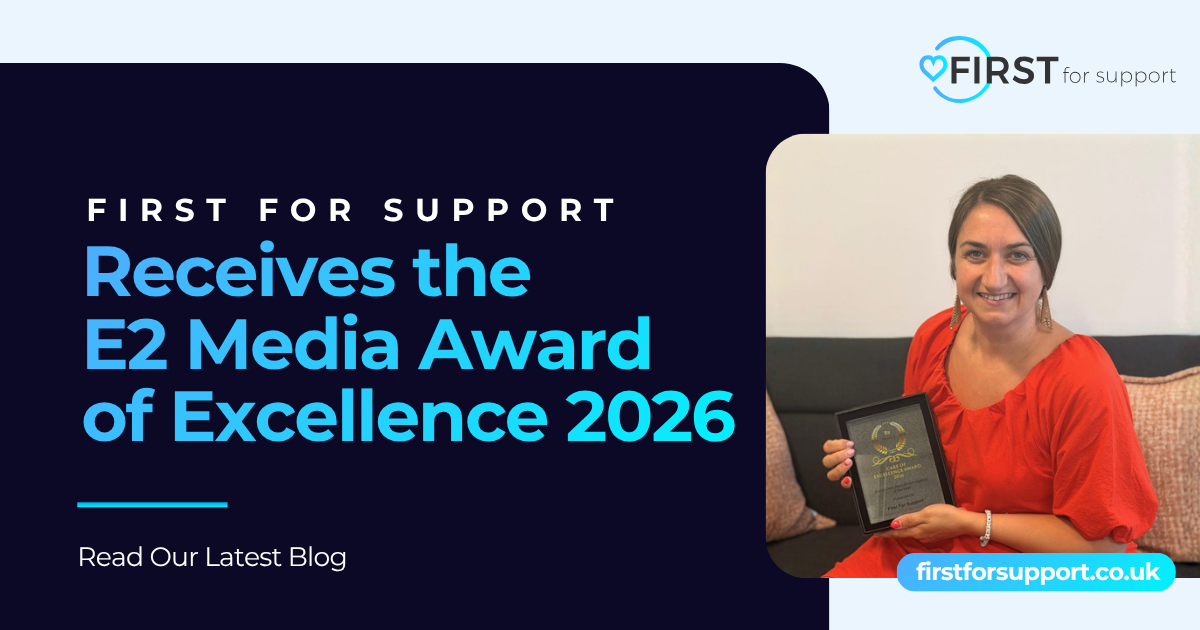
First for Support has been named Social Care Recruitment Agency of the Year in E2 Media’s 2026 Awards of Excellence, recognising our people-focused service.

June 30, 2026
Compare children’s residential care and supported living roles, including duties, training, pay and hours, to find the right social care career for you.

May 26, 2026
Discover why local knowledge improves social care recruitment across Hampshire, Dorset, Devon, Wiltshire, and Manchester.

April 15, 2026
Learn what safer recruitment in children’s residential care means and how it protects services across Hampshire, Dorset and beyond.

March 16, 2026
Should you hire temporary or permanent social care staff? Discover the benefits of both and how the right balance can support safe, consistent care services.

March 2, 2026
First for Support wins a Southern Enterprise Award!

February 23, 2026
Learn how to choose a compliant social care recruitment agency across Hampshire, Dorset, Devon, Wiltshire and Manchester. Protect your service with safer recruitment and transparent compliance standards.