










Understand the difference between waking night and sleep-in roles, what employers should consider and how to find the right overnight support.

Discover seven essential skills for supporting autistic adults and adults with learning disabilities, from communication and person-centred care to safeguarding and independence.
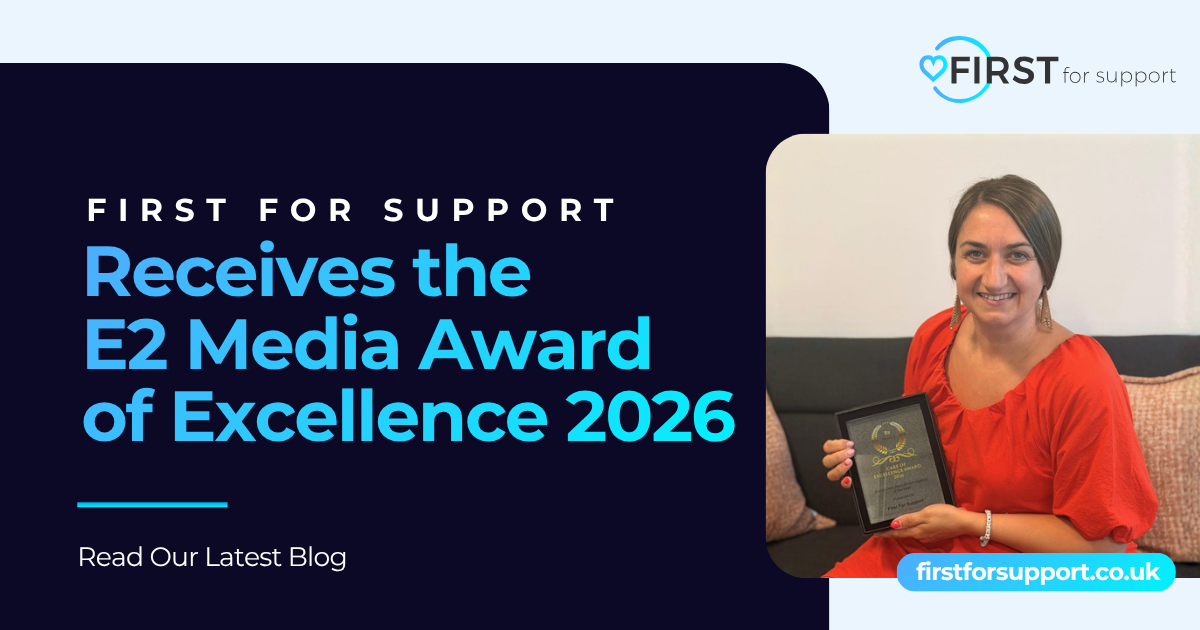
First for Support has been named Social Care Recruitment Agency of the Year in E2 Media’s 2026 Awards of Excellence, recognising our people-focused service.

Compare children’s residential care and supported living roles, including duties, training, pay and hours, to find the right social care career for you.

Discover why local knowledge improves social care recruitment across Hampshire, Dorset, Devon, Wiltshire, and Manchester.

Learn what safer recruitment in children’s residential care means and how it protects services across Hampshire, Dorset and beyond.

Should you hire temporary or permanent social care staff? Discover the benefits of both and how the right balance can support safe, consistent care services.

First for Support wins a Southern Enterprise Award!

Learn how to choose a compliant social care recruitment agency across Hampshire, Dorset, Devon, Wiltshire and Manchester. Protect your service with safer recruitment and transparent compliance standards.

Client Overview